
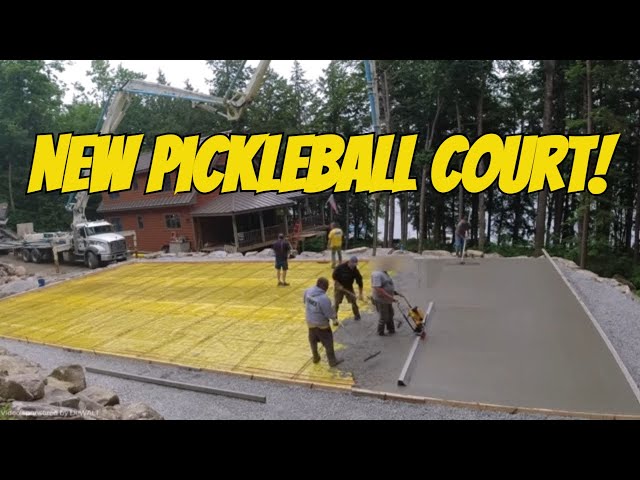
Are you wondering if you can play pickleball on cement? Whether you’re just starting out or looking to find a new place to play, this question matters.
The right surface can make a big difference in how the game feels and how safe you are while playing. Imagine hitting the ball smoothly, moving easily, and enjoying every moment without worrying about slipping or hurting yourself. Keep reading to discover what makes cement a good—or tricky—choice for pickleball and how you can make the most of your game on this surface.

Credit: usapickleball.org
Surface Types For Pickleball
Pickleball can be played on different surfaces. The surface affects the ball’s bounce and player movement.
Choosing the right surface helps players enjoy the game and avoid injuries.
Common Pickleball Court Surfaces
Pickleball courts use several types of surfaces. Each surface has unique features that affect play.
- Concrete: Hard and durable, common for outdoor courts.
- Asphalt: Slightly softer than concrete, good for outdoor play.
- Sport Court Tiles: Modular and cushioned, used indoors and outdoors.
- Wood: Smooth and fast, mostly for indoor courts.
- Clay: Soft and slow, not common for pickleball.
Characteristics Of Cement Courts
Cement courts are popular for pickleball. They provide a firm and stable playing surface.
The bounce on cement is consistent. Players can move quickly but may feel hard impact on their joints.
- Very durable and long-lasting
- Needs regular cleaning to avoid slippery spots
- Can get hot in direct sunlight
- Offers fast ball bounce and play speed
- May cause more joint stress than softer surfaces

Credit: www.youtube.com
Playing Pickleball On Cement
Pickleball is a popular sport that many play on different surfaces. Cement courts are common for outdoor pickleball games. Playing on cement affects how the ball moves and how players move.
This article explains what happens when you play pickleball on cement. It covers ball bounce, player movement, and safety tips.
Ball Bounce And Speed
Cement courts make the pickleball bounce higher and faster. The hard surface does not absorb much energy from the ball. This causes the ball to move quickly after hitting the ground.
Because of the speed, players need to react faster to the ball. The bounce is more predictable on cement than on softer surfaces like clay or grass.
Impact On Player Movement
Playing on cement affects how players move during the game. The hard surface offers good traction for quick stops and starts. This helps players change direction fast.
Still, the hard surface can be tough on joints like knees and ankles. Players might feel more impact with every step compared to softer courts.
Safety Considerations
Safety is important when playing pickleball on cement. The hard surface can cause injuries if a player falls. Wearing proper shoes with good grip helps prevent slipping.
- Wear cushioned shoes to protect joints
- Use knee and elbow pads if needed
- Keep the court clean to avoid slips
- Warm up well before playing
Essential Gear For Cement Courts
Playing pickleball on cement courts requires specific gear. The right equipment helps you play safely and comfortably.
This guide covers the essential gear you need for cement courts. Focus on shoes, paddles, and balls.
Choosing The Right Shoes
Shoes for cement courts need good grip and cushioning. Cement is hard, so your shoes must protect your feet.
Look for shoes with non-marking soles and strong support. This helps avoid slipping and foot injuries.
- Non-marking rubber soles for better traction
- Extra cushioning to absorb shock
- Good ankle support to prevent twists
- Breathable materials for comfort
Recommended Paddles And Balls
Paddles designed for cement courts are durable and offer good control. Cement surfaces can wear down soft paddles fast.
Pickleball balls for outdoor cement courts are tougher than indoor balls. They resist cracking and last longer.
- Hard composite paddles for durability
- Lightweight paddles for faster swings
- Outdoor pickleball balls with smaller holes
- Balls made from durable plastic for rough surfaces

Credit: usapickleball.org
Tips To Improve Play On Cement
Playing pickleball on cement courts is common and fun. The hard surface changes how the ball bounces and how you move.
Use these tips to adjust your play and stay safe on cement courts.
Adjusting Your Technique
Cement courts make the ball bounce faster and higher. You should hit the ball earlier than usual. Keep your paddle ready and watch the ball closely.
Use softer swings to control the ball better. Avoid hitting too hard because the ball moves faster on cement.
Footwork Strategies
Good footwork helps you stay balanced on the hard cement surface. Take small, quick steps to move easily. Avoid sliding to prevent falls.
Keep your knees slightly bent and your weight on the balls of your feet. This stance helps you change direction fast and stay steady.
- Take short, quick steps
- Keep knees bent and low
- Balance weight on front of feet
- Avoid sliding on cement
Warm-up And Stretching
Warming up is very important before playing on cement. It helps prevent injuries and prepares your muscles.
Stretch your legs, arms, and back gently. Do light jogging or jumping jacks to get your heart rate up.
- Start with 5 minutes of light cardio
- Stretch calves, hamstrings, and quads
- Stretch shoulders, wrists, and forearms
- Do dynamic stretches like leg swings
Maintaining Cement Courts
Playing pickleball on cement courts is common. Keeping these courts in good shape helps players enjoy the game.
Regular care stops damage and keeps the surface safe and smooth for play.
Cleaning And Surface Care
Clean cement courts often to remove dirt, leaves, and debris. This keeps the surface from becoming slippery.
Use a broom or blower to clear loose dirt. Wash the court with water and mild soap if needed.
- Sweep or blow off debris regularly
- Wash with water and mild soap to remove stains
- Avoid harsh chemicals that can damage the surface
- Dry the court before playing to prevent slips
Preventing Cracks And Damage
Check the court often for cracks or chips. Fix small cracks quickly to stop them from growing larger.
Keep heavy equipment off the court. Protect it from water pooling by ensuring good drainage.
- Inspect the court regularly for cracks
- Fill small cracks with concrete patch
- Keep heavy objects away from the surface
- Ensure water drains away from the court
Common Challenges And Solutions
Playing pickleball on cement courts is popular but comes with some challenges. Knowing how to handle these issues helps you enjoy the game safely.
This guide covers common problems like heat, glare, and surface wear. It also offers simple ways to manage them.
Dealing With Heat And Glare
Cement courts get very hot under the sun. This heat can make the surface uncomfortable and cause injuries. Glare from sunlight may also affect your vision while playing.
Wear light-colored, breathable clothing to stay cool. Use sunglasses or a hat to reduce glare. Play during cooler times like early morning or late afternoon.
- Apply sunscreen to protect skin from sunburn
- Keep a water bottle nearby to stay hydrated
- Consider using court umbrellas or shade if possible
Managing Wear And Tear
Cement courts can crack or become rough over time. This wear affects how the ball bounces and may cause injuries. Regular maintenance helps keep the court safe and playable.
Clean the court often to remove dirt and debris. Fill cracks with proper sealant to prevent damage from spreading. Check the surface before each game to ensure it is safe.
- Use a broom or blower to clear leaves and dust
- Inspect for cracks or chips regularly
- Resurface the court when wear becomes severe
Frequently Asked Questions
Can You Play Pickleball On A Cement Court?
Yes, you can play pickleball on a cement court. Cement surfaces are durable and provide consistent ball bounce. Ensure the surface is smooth to avoid injuries. Use appropriate shoes to prevent slipping. While playing, be mindful of the weather as cement can get hot under the sun.
What Are The Benefits Of Cement Pickleball Courts?
Cement pickleball courts offer durability and low maintenance. They provide a consistent playing surface for better control. Cement courts are cost-effective compared to other materials. They are also weather-resistant, making them suitable for outdoor play. Always ensure the surface is clean for the best playing experience.
Is A Cement Court Safe For Pickleball?
Cement courts are generally safe for pickleball, provided they are well-maintained. Ensure the surface is smooth to prevent falls. Use shoes with good grip to reduce slipping risks. Be cautious during wet conditions as cement can become slippery. Regular maintenance can enhance safety and playing conditions.
How Do You Maintain A Cement Pickleball Court?
To maintain a cement pickleball court, regularly clean the surface to remove debris. Address any cracks or damages promptly to prevent injuries. Repainting lines as needed ensures visibility. Check for slippery spots and apply anti-slip treatments if necessary. Regular maintenance enhances safety and prolongs the court’s lifespan.
Conclusion
Playing pickleball on cement works well for many players. The surface offers good bounce and firmness. It can be tough on knees and joints though. Wearing proper shoes helps protect your body. Outdoor courts on cement can get hot in sun.
You can enjoy the game with friends easily. Cement courts are common and accessible in many places. So, playing pickleball on cement is a practical choice. Just take care of your comfort and safety. Ready to enjoy some fun pickleball rallies?
https://shorturl.fm/mfHsS
https://shorturl.fm/so0TO
https://shorturl.fm/8xhg6
weed shipping discreet safe private
https://shorturl.fm/VOm9J