

A pickleball is a small, perforated plastic ball. It looks similar to a wiffle ball but is designed for a specific sport.
Pickleball is a popular sport, and its unique ball is key to the game. The pickleball has holes all over its surface, which help control its flight. It is lightweight and usually made of durable plastic. The ball is about three inches in diameter and comes in bright colors like yellow or orange, making it easy to see during play.
Understanding what a pickleball looks like is important for anyone interested in the sport. This simple yet distinct ball is essential for both casual games and competitive matches.
Introduction To Pickleball
Hey friends, today let’s talk about something fun and exciting – Pickleball! If you haven’t heard of it yet, you’re in for a treat. Pickleball is a sport that combines elements of tennis, badminton, and ping-pong. It’s easy to learn and super enjoyable. Want to know more? Let’s dive in!
Origins Of The Game
Pickleball was created in the mid-1960s. It all started when three dads – Joel Pritchard, Bill Bell, and Barney McCallum – wanted to invent a new game to keep their kids busy during summer. They used a badminton court, a perforated plastic ball, and paddles. The result? A brand-new sport! They named it Pickleball after the Pritchard’s dog, Pickles, who loved to chase the ball. Funny, right?
Popularity Surge
Fast forward to today, and Pickleball is everywhere. Why? Because it’s simple and fun. Many people love it because it’s easy on the joints, making it perfect for players of all ages. Schools, parks, and even retirement communities have Pickleball courts now. The best part? You can play it indoors or outdoors, anytime you want!
So, what does a Pickleball look like? It’s similar to a wiffle ball, but a bit smaller. It’s usually bright yellow or green, making it easy to spot. The paddles? They look like oversized ping-pong paddles and can be made from wood or composite materials. Intrigued? Give it a try and join the fun world of Pickleball!
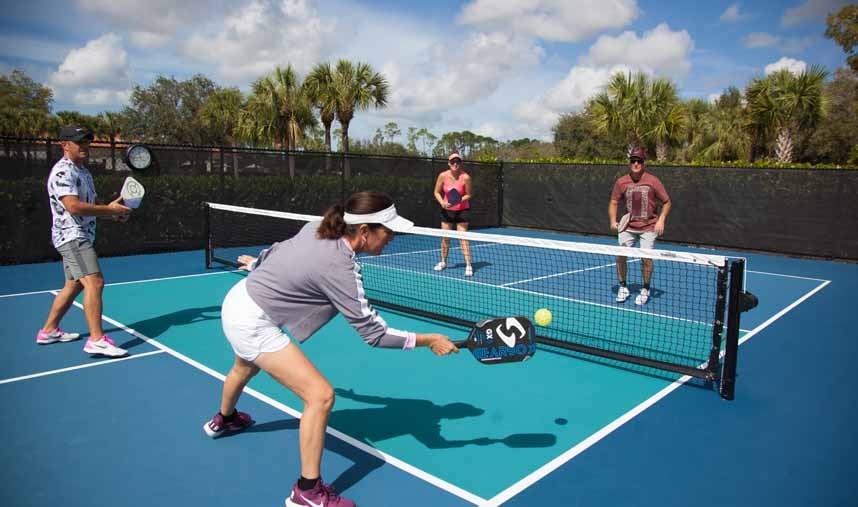
Credit: www.ussportscamps.com
Physical Characteristics
Understanding the physical characteristics of a pickleball is essential for players. The ball’s design impacts gameplay, making it crucial to know its dimensions and weight. Let’s dive into the specifics.
Size And Dimensions
A pickleball is similar in size to a wiffle ball. It measures 2.87 to 2.97 inches in diameter. The ball’s size ensures it is easy to handle. This consistency in size helps maintain uniformity in play. Players can rely on a standard experience each time they step onto the court.
Weight Specifications
The weight of a pickleball ranges from 0.78 to 0.935 ounces. This lightweight nature allows for swift movement. It also means less strain on players’ arms. The ball’s design allows for quick volleys and precise shots. Understanding the weight helps players anticipate how the ball will react.
Material Composition
Understanding the material composition of a pickleball can help players choose the right ball for their needs. The materials used impact the ball’s performance, durability, and feel.
Types Of Materials Used
Pickleballs are made from various types of plastics. Most commonly, manufacturers use polypropylene. This plastic is durable and provides a consistent bounce. Some balls use other types of plastic like nylon or EVA foam. These materials can affect the ball’s weight and bounce characteristics.
Durability Factors
The durability of a pickleball is influenced by its material composition. Polypropylene balls tend to last longer. Their dense structure can withstand repeated impacts. Nylon balls may wear out faster. They can develop cracks and lose their shape. EVA foam balls are less common. They are softer and can wear down quickly.
Factors like temperature and humidity also impact durability. Balls can become brittle in cold conditions. In warmer climates, they might soften and change performance. Regular inspection and proper storage can help maintain their lifespan.
Color Variations
Hey friends, today let’s dive into the colorful world of pickleballs. You might think all pickleballs look the same, but they actually come in a range of colors. This can affect how you play and enjoy the game. So, let’s explore the different color options and what they mean for you.
Common Colors
Pickleballs are available in various colors. Some of the most common ones include:
- Yellow: The most popular color. Easy to see both indoors and outdoors.
- Orange: Great for indoor play. Stands out against darker surfaces.
- Green: Often used outdoors. Blends with the natural environment.
- White: Traditional choice. Best for indoor courts with dark backgrounds.
These colors are not just for aesthetics. They help players keep track of the ball during play. Imagine trying to spot a green ball on a green court – not fun!
Regulatory Guidelines
Did you know there are rules about pickleball colors? The International Federation of Pickleball (IFP) has guidelines to ensure fair play. Here’s a quick overview:
- Visibility: Balls must be easily visible. This ensures players can see the ball clearly during play.
- Contrast: The ball should contrast with the playing surface. This helps prevent missed shots.
- Standardization: Approved colors include yellow, white, and orange. These are tested for visibility and performance.
I recently asked a local pickleball champion about her favorite ball color. She said yellow is her go-to choice. It’s bright and easy to see, which helps her stay sharp during matches.
So, next time you pick up a pickleball, think about the color. It can make a big difference in your game. And remember, whether you’re a newbie or a pro, choosing the right color can enhance your play experience.
Surface Texture
The surface texture of a pickleball is an important aspect of the game. It can vary, impacting how the ball interacts with paddles and the court. Understanding the difference between smooth and textured surfaces can help players choose the best ball for their needs.
Smooth Vs. Textured
Pickleballs come in two main types: smooth and textured. A smooth pickleball has a sleek surface. This type often glides more easily when hit. On the other hand, a textured pickleball has small ridges or patterns. These ridges can help grip the paddle better.
Players may notice a difference in control between the two. Smooth balls are generally faster. Textured balls might offer better spin. Choosing between smooth and textured depends on your playing style and preference.
Impact On Gameplay
The surface texture affects gameplay in significant ways. Smooth balls tend to travel quicker. They can be harder to control for beginners. Textured balls might slow down slightly but offer better control. They can make it easier to add spin to shots.
Advanced players often prefer textured balls for their control benefits. Beginners might start with smooth balls for their speed. The choice can influence your overall game experience. Experimenting with both types can help you find your perfect match.
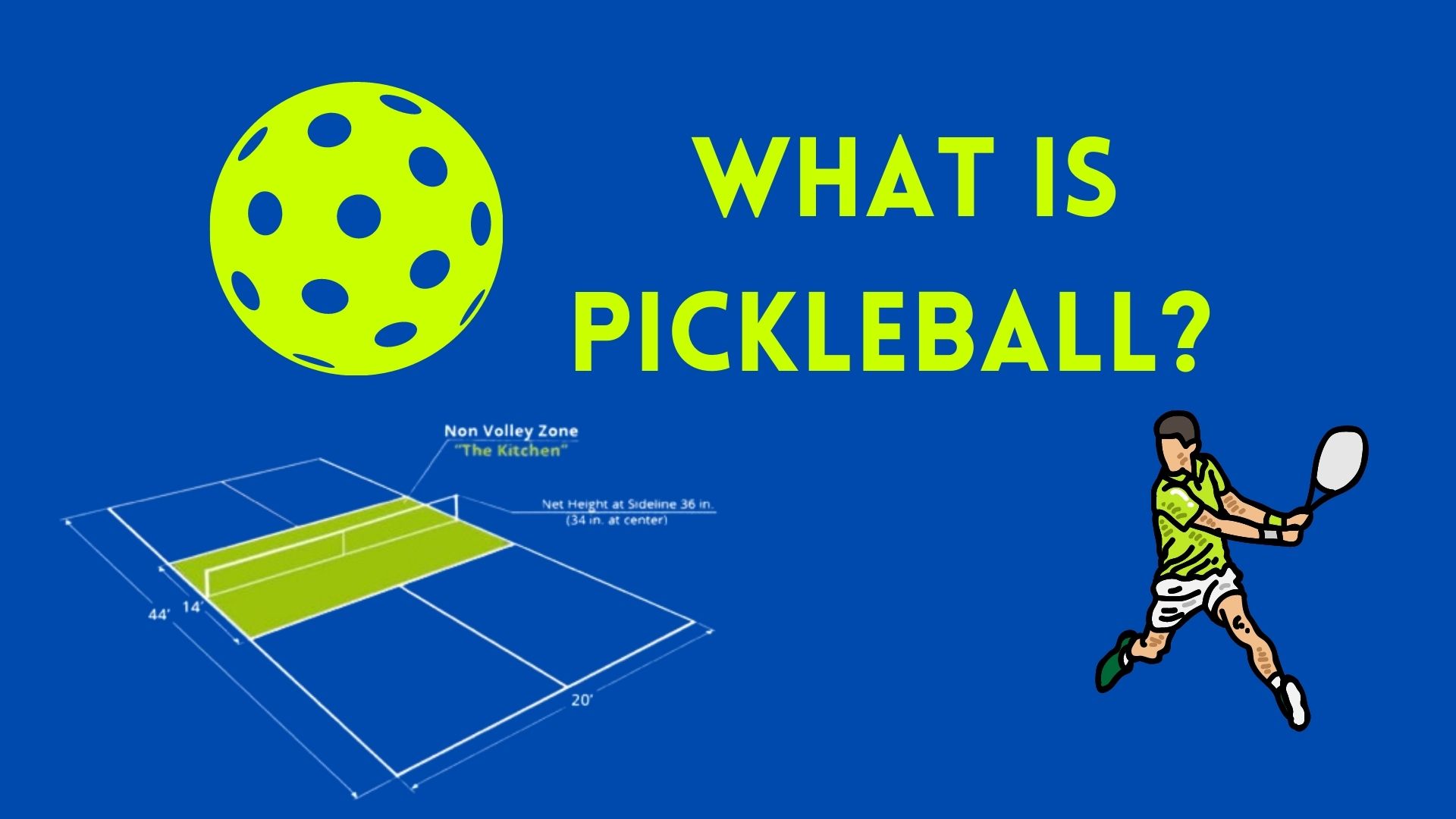
Credit: poolesvilleseniors.org
Hole Patterns
Pickleball is an exciting sport, and the ball used plays a crucial role. One key feature of a pickleball is its hole patterns. These holes affect the ball’s flight and speed, making the game unique. Understanding these patterns helps players choose the right ball for their game.
Number Of Holes
A pickleball typically has 26 to 40 holes. The number of holes can vary based on the ball’s use. Indoor balls usually have fewer holes. Outdoor balls have more holes. This difference affects the ball’s flight in different environments.
Purpose Of Design
The hole patterns serve specific purposes. They help control the ball’s speed and direction. Indoor balls need fewer holes to reduce air resistance. This makes the ball slower and easier to control. Outdoor balls have more holes to manage wind. This helps the ball stay on course during play.
The design of the holes also influences the bounce. A well-designed pattern ensures a consistent bounce. This consistency is key for a fair game. Players can predict how the ball will behave, making the game more enjoyable.
Indoor Vs. Outdoor Balls
Hey friends, today we’ll dive into the world of pickleball. Specifically, we’ll talk about the differences between indoor and outdoor pickleballs. Whether you’re new to the game or looking to up your skills, understanding the differences can help you play better. So, let’s get started!
Differences In Design
First, let’s look at how indoor and outdoor balls are designed differently. The differences might seem small, but they make a big impact on your game.
- Indoor Balls: These balls have larger, fewer holes. Typically, they have about 26 holes. This design helps them move slower and gives you better control.
- Outdoor Balls: These balls have smaller, more numerous holes. Usually, they have around 40 holes. This makes them faster and more durable.
The good news? Knowing the difference can improve your game. Indoor balls are softer, while outdoor balls are harder. This can affect how you hit the ball and how it bounces.
Usage Scenarios
Now, let’s talk about when to use each type of ball. This part is crucial for playing your best game.
- Indoor Balls: Use these when you’re playing on wooden or smooth surfaces. They are perfect for gyms and indoor courts. They give you more control and are quieter.
- Outdoor Balls: These are best for rougher surfaces like concrete or asphalt. They can handle wind better and are built to last longer. Outdoor balls are great for playing in parks or on outdoor courts.
Think of it like using different shoes for different sports. You wouldn’t wear running shoes to play soccer, right? The same goes for pickleball balls.
To sum up, knowing when and where to use indoor and outdoor pickleballs can make your game more enjoyable. It’s like having the right tool for the job. So, next time you grab your paddle, make sure you have the right ball too!
Stay tuned for more tips and tricks. Happy playing!
Choosing The Right Ball
Hey there, pickleball enthusiasts! Whether you are new to the game or a seasoned player, choosing the right ball is crucial. A good ball can make your game smoother and more enjoyable. But with so many options out there, how do you know which one to pick? Let’s break it down for you.
Factors To Consider
When picking a pickleball, there are several factors you need to consider:
- Material: Most pickleballs are made of plastic, but the quality of the plastic can vary. Look for durable materials that won’t crack easily.
- Holes: The number and size of holes in the ball affect its flight. Indoor balls usually have fewer, larger holes, while outdoor balls have more, smaller holes.
- Color: Pickleballs come in various colors. Choose a color that contrasts well with your playing surface for better visibility.
- Weight: The weight of the ball can affect your control and how it reacts to wind. Heavier balls are generally better for outdoor play.
It’s like choosing the right running shoes. You want something that fits your playing style and the conditions you play in.
Top Brands In The Market
Now, let’s talk about some of the top brands that are popular among pickleball players:
- Dura: Known for their durability and consistent performance, Dura balls are a favorite for outdoor play.
- Onix: Onix balls are versatile and can be used both indoors and outdoors. They are known for their great bounce and flight.
- Franklin: Franklin balls are popular for their bright colors and visibility. They are durable and provide a good balance of control and power.
- Gamma: Gamma offers a range of pickleballs that cater to different playing styles. Their balls are well-balanced and reliable.
These brands are like the Nike and Adidas of pickleball. They are trusted and widely used by players at all levels.
Remember, the best pickleball for you depends on your preferences and playing conditions. Try out a few different brands and see which one feels right for you. And most importantly, have fun on the court!
Care And Maintenance
Pickleball equipment requires proper care and maintenance to ensure longevity and performance. Taking simple steps can keep your pickleball in top shape. This section will guide you through effective cleaning techniques and provide essential storage tips.
Cleaning Techniques
To clean your pickleball, start with mild soap and water. Gently scrub the surface with a soft cloth or sponge. Avoid using harsh chemicals, which can damage the ball. Rinse thoroughly with clean water to remove soap residue. Dry the pickleball completely before storing or using it again.
Storage Tips
Store your pickleball in a cool, dry place. Avoid extreme temperatures, which can affect the ball’s integrity. Keep it away from direct sunlight, as prolonged exposure can cause the material to degrade. Use a dedicated container or bag to protect it from dust and dirt.
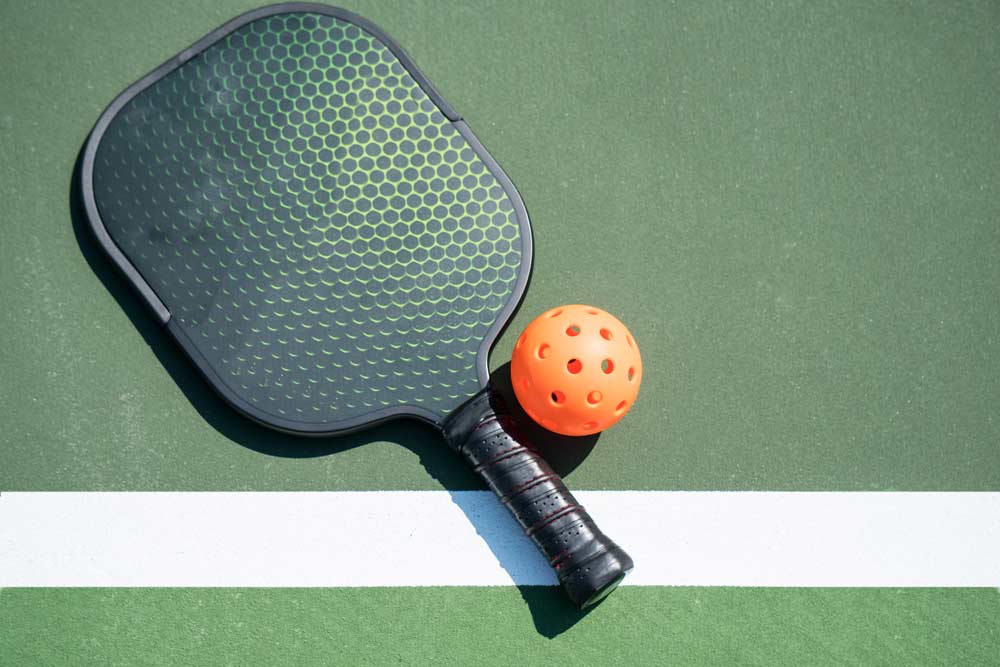
Credit: www.cedarsofchapelhill.com
Frequently Asked Questions
Are Pickle Balls And Wiffle Balls The Same?
No, pickle balls and wiffle balls are not the same. Pickle balls are used in pickleball, while wiffle balls are used in wiffle ball. They differ in design, size, and materials.
What Are The Five Rules Of Pickleball?
1. Serve diagonally, landing in the opposite service court. 2. Only the serving team scores points. 3. Serve underhand, below the waist. 4. Each team must play their first shot off the bounce. 5. A game is played to 11 points, wins by 2.
Why Did They Call It Pickleball?
The game is called pickleball because one of the co-founders named it after his dog, Pickles.
What Does A Pickleball Look Like And What Is It Made Of?
A pickleball is a perforated plastic ball, similar in size to a baseball. It is made of durable, lightweight plastic.
Conclusion
Pickleballs are unique and distinct in design. They have small, round holes. The bright colors help in visibility during play. Made of plastic, they are lightweight and durable. Different brands might have slight variations. Yet, the general features remain consistent.
Knowing what a pickleball looks like helps new players. It makes choosing equipment easier. Enjoy your game with the right gear. Happy playing!