

Imagine you’re on the pickleball court, heart racing, paddle in hand, ready to serve with precision. But suddenly, your opponent pulls off a move you’ve never heard of— a Nasty Nelson.
What just happened? If you’re scratching your head in confusion, you’re not alone. The Nasty Nelson is one of those surprising and slightly cheeky tactics that can leave players baffled and intrigued. You might be wondering, what exactly is this move and how can it impact your game?
Understanding this strategy could be the key to mastering your next match and outsmarting your opponents. Dive into this article as we unravel the mystery behind the Nasty Nelson, explore its origins, and discover why it could be your secret weapon on the court. Ready to elevate your pickleball prowess? Let’s get started!
Credit: www.playpickleball.com
Origins Of Nasty Nelson
Pickleball, a sport that combines elements of tennis, badminton, and ping-pong, has grown rapidly in popularity. One intriguing aspect of this sport is the term “Nasty Nelson.” To understand what a Nasty Nelson is, you need to dig into its origins. This term is not just jargon; it’s a strategy that can change the pace of the game. But where did it come from, and how does it fit into the larger culture of pickleball?
The name “Nasty Nelson” is as intriguing as the tactic itself. It traces back to a player named Tim Nelson, who was known for his aggressive yet clever gameplay. Imagine being on the court, watching Nelson deliver a serve aimed directly at an opponent’s body instead of trying to land it within the court lines. This unexpected move, designed to gain a quick fault, became his signature strategy.
Tim Nelson transformed what could have been seen as a risky play into a strategic advantage. His approach challenged the norms of pickleball, encouraging players to think outside the box. Have you ever considered how breaking away from traditional tactics could benefit your game?
As stories of Nelson’s unique serves spread, players began to adopt his style. It wasn’t long before the term “Nasty Nelson” was coined, solidifying its place in pickleball vocabulary. This strategy is more than just a serve; it’s a mindset that encourages players to be bold and daring.
Impact On The Pickleball Community
Nasty Nelson has sparked conversations and debates among pickleball enthusiasts. Some view it as a thrilling strategy that adds excitement to matches. Others believe it goes against the spirit of fair play. What do you think about using such tactics in sports?
Despite differing opinions, Nasty Nelson has undeniably influenced how players approach the game. It has inspired players to explore unconventional strategies, pushing the boundaries of what’s possible on the court. Are you ready to challenge your own limits?
Ultimately, Nasty Nelson serves as a reminder that the evolution of sports is shaped by creative minds willing to defy expectations. Whether you embrace it or not, understanding its origins gives you deeper insight into the dynamic world of pickleball. Have you ever tried a Nasty Nelson, or do you have other strategies that keep your opponents on their toes?
Basic Concept
The term “Nasty Nelson” in pickleball might sound intimidating. But it’s simply a strategic shot. Understanding this concept can enhance your game skills.
What Is A Nasty Nelson?
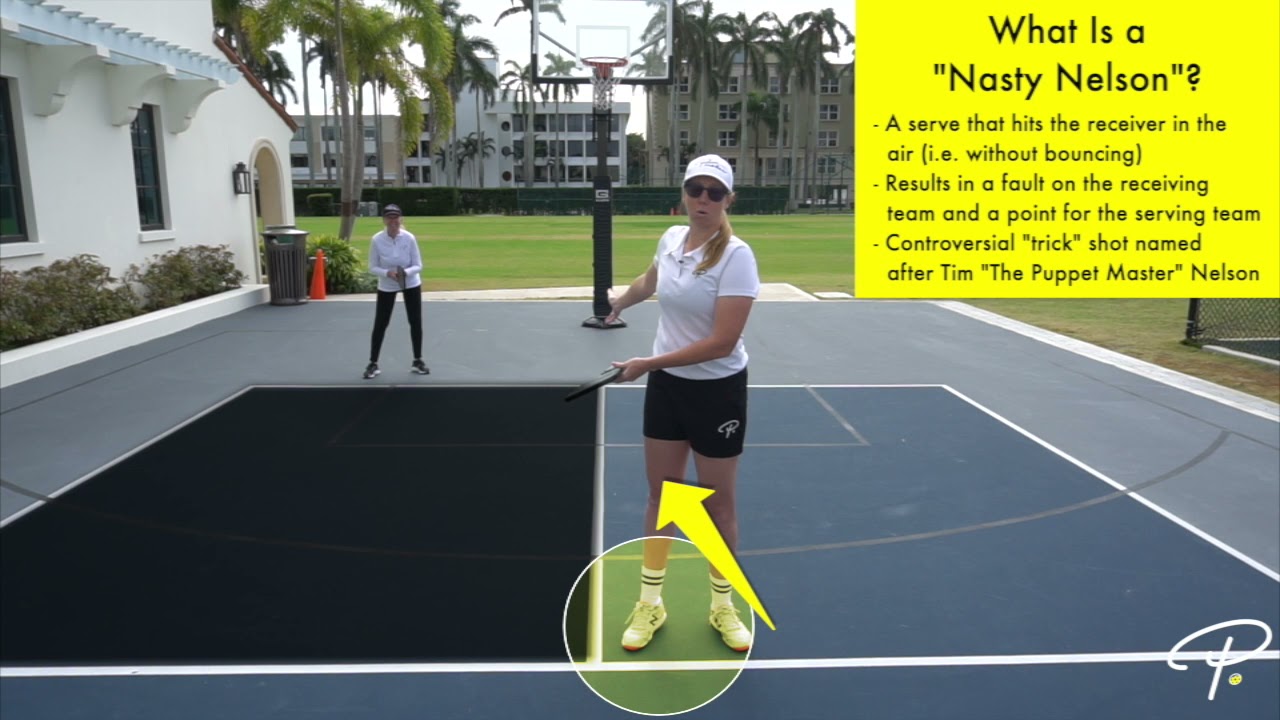
A Nasty Nelson is a surprising tactic in pickleball. It involves hitting the ball at the opposing player. This move is legal and can catch opponents off guard. The aim is to score a point by hitting the receiver.
Origin Of The Term
The term “Nasty Nelson” originates from a player named Nelson. He first used this tactic in a competitive setting. The goal was to exploit the rules for a quick point. It became famous and got its unique name.
How To Execute A Nasty Nelson
During a serve, aim the ball at the non-receiving opponent. Ensure the ball contacts them before touching the ground. This requires precision and timing. Practice is key to mastering this move.
Why Use A Nasty Nelson?
This tactic can disrupt your opponent’s rhythm. It forces them to rethink their strategy. It’s also a quick way to earn a point. Effective in high-pressure games.
Is A Nasty Nelson Legal?
Yes, it’s completely within the rules of pickleball. The shot is strategic and clever. But always check local rules before using it. Some may have specific regulations.
When To Avoid A Nasty Nelson
Use this tactic wisely. Avoid it with beginners or in friendly matches. It might seem aggressive and unsportsmanlike. Reserve it for competitive settings.
Execution Techniques
Executing a Nasty Nelson in pickleball demands skill and a strategic approach. This advanced technique can catch opponents off-guard. The move involves hitting the ball so that it ricochets off your partner’s body. The goal is to win the point as it lands in the opponent’s court. To execute this play successfully, one must focus on timing, precision, court positioning, and partner communication.
Timing And Precision
Timing is crucial for a successful Nasty Nelson. Hit the ball just as it is served. Precision is equally important. Aim for the center of your partner’s body. This increases the chance of the ball bouncing into the opponent’s court. Practice can improve both timing and precision.
Positioning On Court
Positioning on the court plays a critical role in this technique. Stand close to your partner. This allows for a controlled shot. Ensure you are not directly in the opponent’s line of sight. This can prevent them from anticipating the play.
Communication With Partner
Clear communication with your partner is essential. Both players need to understand the move. Signal your intention before executing the shot. This ensures your partner is ready. Miscommunication can lead to missed opportunities or faults. Regular practice and discussion can enhance teamwork and execution.
Credit: www.youtube.com
Strategic Benefits
Pickleball, a fast-paced and strategic game, offers various techniques that can tilt the balance in your favor. One such clever move is the “Nasty Nelson.” It’s not just a trick shot; it’s a strategic asset. Let’s delve into how this maneuver can benefit your game.
Psychological Impact
Executing a Nasty Nelson can psychologically unsettle your opponents. Imagine them second-guessing their own moves, wondering when you might pull off that surprising shot again. This mental edge can shift the momentum in your favor.
I’ve seen players lose their cool after being hit by a Nasty Nelson. It disrupts their focus and makes them more prone to errors. Have you ever noticed how a single unexpected move can change the vibe of a match?
Keeping your opponents guessing is half the battle. By using this tactic wisely, you can make them doubt their strategies and lose confidence. How often do you find yourself rethinking your game plan after a surprise move?
Disruption Of Opponents
The Nasty Nelson isn’t just about scoring points; it’s about breaking the rhythm of your opponents. The suddenness of this shot can catch them off guard, leading to disrupted play and missed opportunities.
Picture yourself in a match where your opponent is consistently dominating. A well-timed Nasty Nelson can shake things up, offering you a chance to regain control. It’s all about timing and precision.
Consider the impact of a disrupted rhythm. Your opponents may struggle to regain their footing, giving you openings to exploit. Isn’t it fascinating how a single shot can turn the tide?
Incorporating the Nasty Nelson into your pickleball strategy can be a game-changer. It’s not just about the physical play but the mental game as well. Have you thought about how you can use this technique to enhance your strategy?
Potential Risks
Pickleball enthusiasts know the thrill of a well-executed Nasty Nelson. This shot aims to surprise opponents by hitting the ball directly at them. While exciting, it carries potential risks that players must consider. Understanding these risks can improve your strategy and keep the game fair.
Miscommunication
Miscommunication between players can lead to confusion. Partners might not expect a Nasty Nelson, causing mixed signals. This misstep can result in missed shots or unplanned movements. Clear communication is crucial to avoid these pitfalls. Discuss strategies before playing to ensure all players understand their roles.
Counterplays By Opponents
Opponents might anticipate your Nasty Nelson. Skilled players often prepare for unexpected moves. They can counter with quick reactions or strategic positioning. This response reduces the effectiveness of your shot. Observing opponents’ habits can give clues about their likely counterplays. Adapt your strategy to keep them guessing and maintain control.
Famous Examples
The term “Nasty Nelson” adds excitement to pickleball games. This tactic involves hitting an opponent directly with the ball during a serve. It surprises both players and spectators. Famous examples of this move have happened in various pickleball tournaments. They highlight both the skill and strategy involved in executing a Nasty Nelson.
Example 1: Championship Match Surprise
In a recent championship match, a player shocked the audience. They executed a perfect Nasty Nelson serve. The ball struck the opposing player, causing surprise and excitement. The strategic move shifted the momentum of the game. It showcased the player’s quick thinking and precision.
Example 2: Local Tournament Upset
A local tournament saw an unexpected use of the Nasty Nelson. An underdog player used it against a top-seeded opponent. The serve hit the opponent, leading to a point. This bold move earned cheers from the crowd. It demonstrated that unexpected tactics can change game outcomes.
Example 3: Doubles Team Strategy
During a doubles match, a team planned a Nasty Nelson. One player served while the other distracted the opponents. The serve hit one opponent, earning a crucial point. This teamwork highlighted the strategic possibilities of the Nasty Nelson in doubles play. It left a lasting impression on spectators.
Adaptation In Modern Play
Pickleball, a sport blending elements of tennis, badminton, and ping-pong, has gained immense popularity. As players delve deeper into strategies, the term “Nasty Nelson” emerges, capturing the essence of tactical adaptability. This strategy involves serving the ball to hit the opponent’s partner, aiming for a fault. While traditionalists debate its ethics, modern players adapt and refine this tactic for competitive edges.
Evolving Strategies
The Nasty Nelson isn’t just a trick. It’s a calculated move in pickleball’s evolving strategy playbook. Players train to anticipate and counter this tactic. Some focus on positioning, while others enhance reflexes. The goal remains the same: outsmart opponents. This evolution shows pickleball’s dynamic nature, where creativity meets competition.
Influence On Competitive Matches
In competitive scenarios, the Nasty Nelson often sways match outcomes. Skilled players use it to disrupt opponents’ rhythm. It adds unpredictability, testing mental fortitude. Matches may hinge on how well teams handle this tactic. Observers note its influence, making games more thrilling. This tactic underscores pickleball’s strategic depth, pushing players to sharpen their skills.

Credit: www.pickleballmax.com
Frequently Asked Questions
What Is The Nasty Nelson Rule In Pickleball?
The Nasty Nelson rule in pickleball involves targeting the opposing player with the serve. It aims to cause interference or distraction, leading to a fault. This tactic is rarely used due to its aggressive nature. It is named after a player known for implementing this strategy in games.
What Is The Most Difficult Shot In Pickleball?
The most difficult shot in pickleball is often the third shot drop. It requires precision and control to land softly in the opponent’s non-volley zone, neutralizing their advantage and setting up a strategic play. Mastering this shot can significantly improve a player’s game.
What Is A Bert In Pickleball?
A Bert in pickleball is an advanced shot. It involves a player jumping across the court to intercept the ball, often used to surprise opponents and change the pace of the game. This aggressive move requires precise timing and agility, making it an exciting play in competitive matches.
What Is A Dill In Pickleball?
In pickleball, a “dill” refers to a legitimate shot that lands in bounds and is not a fault. It’s a play that adheres to all game rules, ensuring fair play.
Conclusion
Understanding a Nasty Nelson in pickleball adds fun to the game. This trick shot surprises opponents and creates memorable moments. Learning and practicing it can improve your skills. Always remember, sportsmanship is important. Use the Nasty Nelson wisely and respectfully.
Enjoy your pickleball journey and embrace its challenges. Remember, practice makes perfect. Keep playing, keep learning, and keep having fun on the court. Pickleball offers endless opportunities for joy and growth. Dive into the game and explore its strategies. Stay curious and engaged.
Happy playing!