
Have you ever wondered what makes pickleball so exciting and why it’s quickly becoming a favorite sport for all ages? Understanding the objective of pickleball can change the way you play and enjoy the game.
Whether you’re just starting out or want to improve your skills, knowing the core goal helps you focus and have more fun. Keep reading, and you’ll discover the simple yet powerful aim behind pickleball that keeps players coming back for more.
Pickleball Basics
Pickleball is a fun paddle sport played on a small court. It mixes elements of tennis, badminton, and ping-pong.
The main goal is to hit the ball over the net and score points by making it hard for the opponent to return.
Core Rules
Players must serve underhand and hit the ball into the opposite service court. The ball must bounce once on each side before volleys.
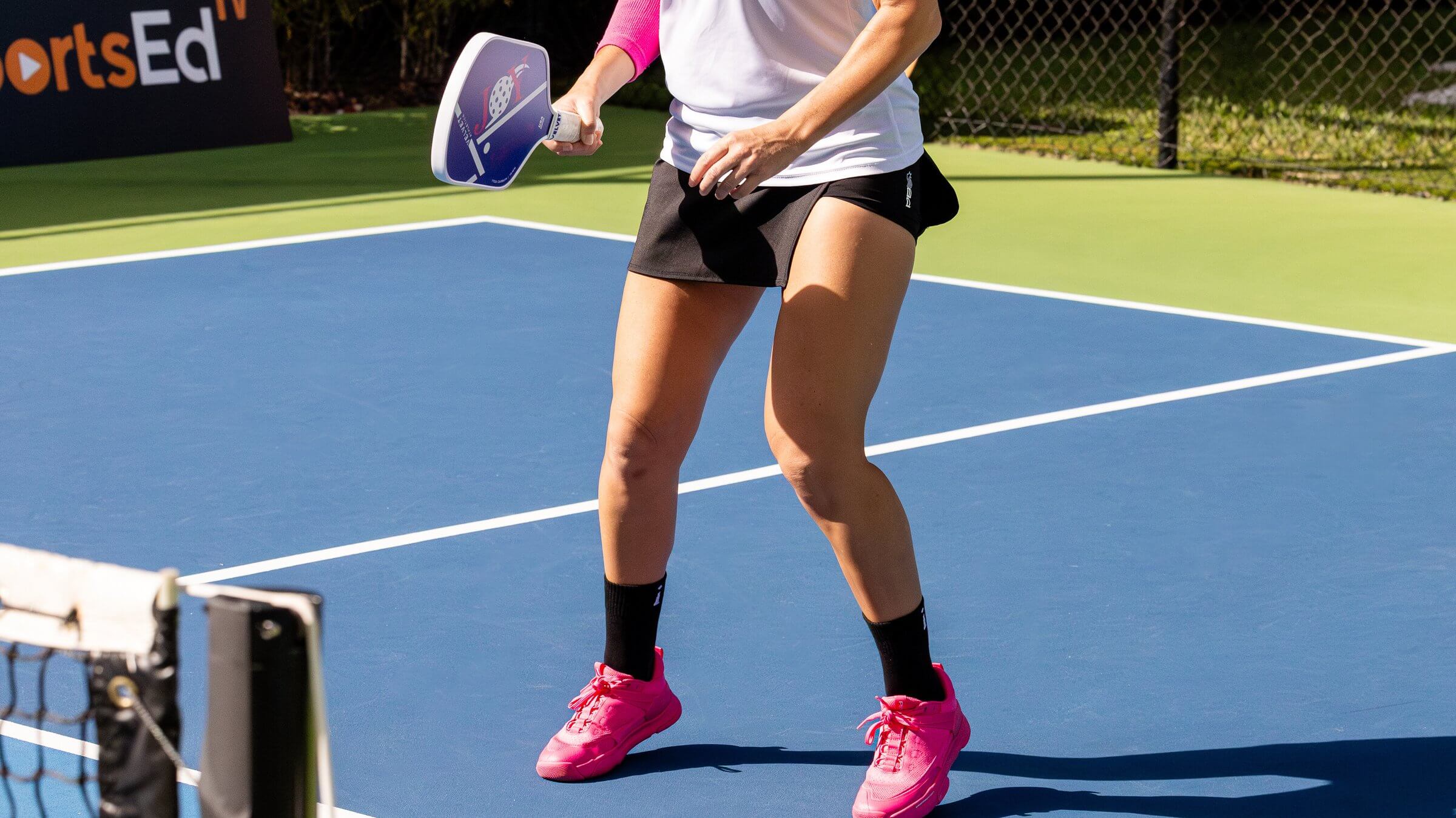
Players cannot step into the non-volley zone (kitchen) to hit the ball in the air. Faults lose the point or serve.
- The serve is done diagonally.
- Ball must bounce once on each side after serve.
- No volleying in the non-volley zone.
- Faults include hitting out of bounds or into the net.
Scoring System
Only the serving side can score points. Games usually go to 11 points, and a team must win by 2 points.
If the serving side faults, the serve passes to the other team. Points are counted only on serves.
- Points scored only by serving team.
- Game played to 11 points.
- Winning team must lead by 2 points.
- Serve switches after faults.
Court Layout
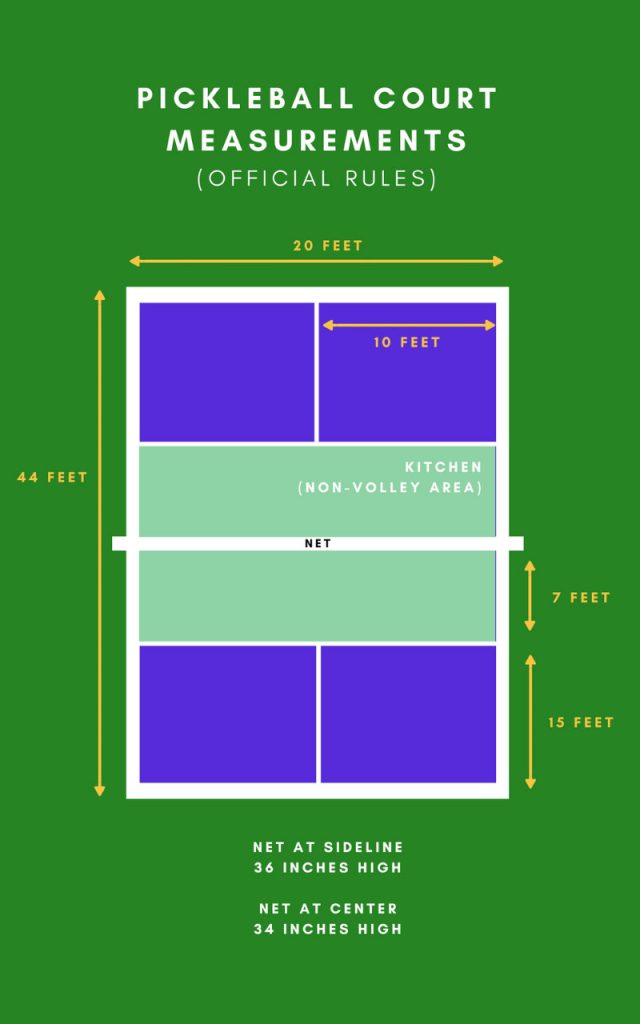
A pickleball court is 20 feet wide and 44 feet long. The net stands 36 inches high at the sidelines.
The court has a 7-foot non-volley zone on each side of the net. Service courts are marked on each side.
| Area | Size |
|---|---|
| Full Court | 20 ft wide by 44 ft long |
| Non-Volley Zone (Kitchen) | 7 ft from net on each side |
| Net Height | 36 inches at sidelines, 34 inches center |
Credit: www.pb5star.com
Primary Objective
Pickleball is a sport played with paddles and a plastic ball. The main goal is to score points by hitting the ball over the net.
Players try to keep the ball in play and make it hard for the opponent to return it. The objective is to win points and matches.
Winning Points
Points are scored when the opponent misses the ball or hits it out of bounds. Each rally ends with one player or team earning a point.
The first player or team to reach the set number of points wins the game. Points must be earned by serving or during play.
Game Flow
The game starts with a serve from behind the baseline. Players hit the ball back and forth until a point is scored.
Players must follow rules like staying out of the non-volley zone to keep the game fair and safe. The play continues with quick volleys and rallies.
Match Formats
Pickleball matches can be singles or doubles. Singles have one player on each side. Doubles have two players on each side.
- Singles: One player versus one player
- Doubles: Two players per team
- Games are usually played to 11, 15, or 21 points
- Players must win by at least 2 points
Essential Skills
Pickleball is a fast-paced sport that needs good skills. Players must learn key techniques to play well.
These skills help players control the ball, move quickly, and score points. Focus on serving, shot placement, and footwork.
Serving Techniques
The serve starts each point in pickleball. A strong serve can give you an advantage.
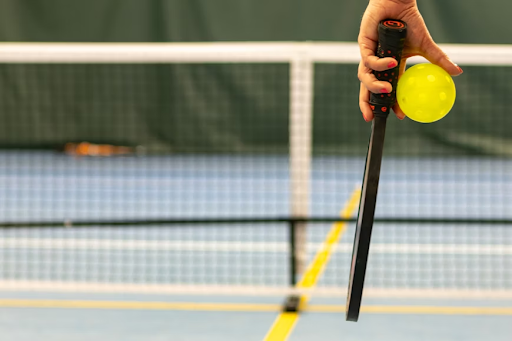
Learn to serve underhand with control and aim. Try to keep your serve low and inside the service box.
- Keep your paddle below the waist when serving
- Hit the ball with a smooth, controlled motion
- Aim for the corners to make it hard for your opponent
- Practice consistency to reduce faults
Shot Placement
Placing your shots well forces your opponent to move. Good placement creates openings to win points.
Use different angles and depths to control the game. Mix soft shots with faster ones to keep your opponent guessing.
- Target the sidelines to stretch your opponent
- Use drop shots to bring them close to the net
- Hit deep shots to push them back
- Change shot speed to disrupt their rhythm
Footwork And Positioning
Good footwork helps you reach the ball quickly. Positioning keeps you ready for the next shot.
Stay light on your feet and move with small steps. Keep your body balanced and your paddle in front.
- Keep knees slightly bent for better movement
- Move to the center after each shot
- Use side steps to cover the court
- Stay alert and watch your opponent’s paddle
Credit: thegodofsports.com
Offensive Strategies
In pickleball, offensive strategies help players control the game. These strategies focus on putting pressure on opponents.
Using smart attacks and positioning, players create chances to score points and win rallies.
Aggressive Shots
Aggressive shots aim to push opponents back or force errors. Powerful drives and smashes make it hard to return the ball.
Targeting weak spots on the court can break the opponent’s defense quickly.
- Use fast drives to corners
- Hit smashes to open space
- Mix shot speed to confuse opponents
Net Play
Playing near the net lets players control the pace. Quick volleys and dinks close to the net keep opponents under pressure.
Good net play forces mistakes and creates chances to score.
- Move forward after a good serve
- Use soft dinks to lure opponents
- Attack weak returns with volleys
Creating Opportunities
Players create opportunities by spotting openings in the opponent’s defense. Smart shot placement and movement open gaps.
Changing the pace and angle of shots helps to confuse opponents and find scoring chances.
- Watch opponent’s position closely
- Use angled shots to open space
- Mix fast and slow shots
Defensive Tactics
In pickleball, defense is key to stopping your opponent’s shots. Good defense helps you stay in the game longer.
Using smart defensive tactics can give you a chance to turn defense into offense. Let’s look at some important strategies.
Anticipation
Anticipation means guessing where your opponent will hit the ball next. It helps you move quickly and get ready.
Watch your opponent’s body and paddle to predict their shots. This gives you a big advantage in defense.
- Keep your eyes on the paddle and body position
- Learn common shot patterns
- Stay alert and ready to move fast
Counterattacks
Counterattacks let you turn defense into scoring chances. Hit the ball back with control and speed.
Use soft returns or quick volleys to surprise your opponent. This keeps them off balance and improves your defense.
- Hit deep shots to push opponents back
- Use angled shots to open the court
- Mix soft and fast returns
Maintaining Control
Control means keeping the ball in play and staying calm. It helps you avoid mistakes during defense.
Focus on steady shots and good positioning. Control lets you wait for the best chance to attack.
- Keep your paddle ready in front of you
- Move smoothly to stay balanced
- Use consistent shots to reduce errors
Doubles Dynamics
Pickleball is played by two teams of two players. Each team works closely to win points.
The objective is to score by hitting the ball over the net. Teams must use teamwork to cover the court well.
Communication
Good communication helps players avoid confusion during the match. Talking about who will hit the ball keeps things clear.
Players can call shots or warn about the ball’s position. This helps both partners stay ready and react fast.
- Call “mine” or “yours” to decide who takes the shot
- Use hand signals for silent communication
- Give quick updates on ball direction
Court Coverage
Each player covers a part of the court to stop the opponents’ shots. Good coverage means fewer open spaces for the other team.
Players must move quickly and adjust their positions. This helps them cover their areas and support their partner.
- Divide the court into front and back zones
- Stay close to your partner but avoid crowding
- Shift to cover wide shots and corners
Partner Coordination
Working well with your partner improves your chances of winning points. Coordination means planning shots and moves together.
Partners support each other by covering missed shots or setting up plays. This teamwork builds a strong defense and attack.
- Plan who takes which shots before the game
- Cover for each other during fast rallies
- Set up plays to create scoring chances
Common Mistakes
Pickleball is fun but players often make simple mistakes. These errors can cost points and cause frustration.
Learning what to avoid helps players enjoy the game more and improve faster.
Avoiding Faults
Faults happen when players break the rules. They lose points or give the serve to the opponent.
Common faults include hitting the ball out of bounds, stepping into the non-volley zone during a volley, and double hits.
- Keep your feet behind the non-volley line when volleying.
- Watch where your ball lands to avoid hitting out of bounds.
- Hit the ball cleanly without touching it twice.
Handling Pressure
Pressure makes players rush or lose focus. This causes mistakes like bad shots or poor positioning.
Stay calm and breathe deeply to keep control. Think about your next move, not the score.
- Take deep breaths between points.
- Focus on hitting the ball well, not winning immediately.
- Keep a positive attitude even after mistakes.
Improving Consistency
Consistency means making good shots regularly. Many players miss this and hit too hard or too soft.
Practice steady swings and aim for control. This helps keep the ball in play and forces errors from opponents.
- Practice your swings slowly at first.
- Focus on placing the ball where opponents struggle.
- Work on your footwork to stay balanced for every shot.
Credit: thegodofsports.com
Advanced Tips
Pickleball is more than just hitting the ball over the net. Knowing advanced skills can help you play smarter.
Focus on reading your opponents, changing your plan, and staying mentally strong. These tips will improve your play.
Reading Opponents
Watch your opponent’s body and paddle closely. Their position shows where they want to hit.
Look for patterns in their shots. This helps you guess their next move and react faster.
- Notice their paddle angle before the shot
- Watch foot placement for direction hints
- Spot favorite shots they use often
- Track their speed and timing
Adapting Strategies
Change your plan during the game based on what works. Stay flexible to surprise your opponent.
Switch between fast and slow shots. Use different angles and depths to create openings.
- Try dinks, drives, and lobs strategically
- Move your opponent side to side
- Use soft shots to force errors
- Adjust your position for better court coverage
Mental Toughness
Stay calm and focused even when the score is close. Confidence helps you play your best.
Ignore distractions and keep your mind on each point. Positive thoughts boost your performance.
- Take deep breaths to reduce stress
- Focus on your game, not the score
- Learn from mistakes quickly
- Visualize good shots before playing
Frequently Asked Questions
What Is The Main Goal Of Pickleball?
The main goal of Pickleball is to score points by hitting the ball over the net into the opponent’s court. Players aim to make the ball unreturnable to win rallies. The game combines elements of tennis, badminton, and table tennis, making it a fun and engaging sport.
How Is Pickleball Played?
Pickleball is played on a badminton-sized court with a net. Players use paddles to hit a perforated ball. The game can be played as singles or doubles. The objective is to score points by making the ball land in the opponent’s court or forcing them to commit errors.
Why Is Pickleball Popular?
Pickleball is popular because it’s easy to learn and accessible to all ages. Its combination of elements from tennis, badminton, and table tennis makes it dynamic. The small court size promotes social interaction and quick games. This blend of factors contributes to its widespread appeal.
What Equipment Is Needed For Pickleball?
For Pickleball, you need a paddle, a perforated plastic ball, and a net. The paddle is similar to a table tennis paddle but larger. The ball is similar to a wiffle ball. Proper athletic shoes are recommended for better grip and support on the court.
Conclusion
Pickleball aims to bring people together through fun and friendly play. The objective is to score points by hitting the ball over the net. Players try to outsmart their opponents with skill and quick moves. It encourages exercise, teamwork, and social interaction.
Anyone can enjoy pickleball, regardless of age or experience. This simple goal makes the sport easy to learn and exciting to play. Playing pickleball improves focus, balance, and coordination. It offers a great way to stay active and have fun with others.
Overall, pickleball’s objective creates a positive and engaging experience for all.
https://shorturl.fm/5375k
https://shorturl.fm/HlmfF
https://shorturl.fm/QExhp
https://shorturl.fm/6eCL3